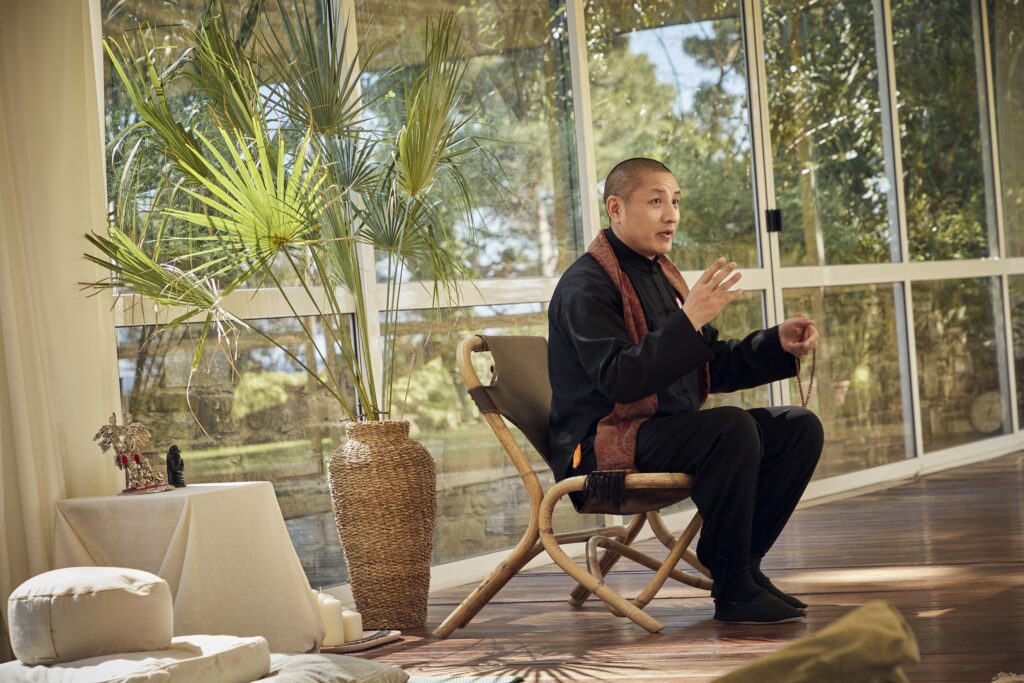
Understanding Burnout Beyond Fatigue
Burnout rarely arrives as a singular moment. It develops gradually through prolonged cognitive demand, irregular routines, fragmented attention and diminishing opportunities for genuine recovery. Energy becomes increasingly difficult to restore, sleep loses its restorative quality and concentration begins to fluctuate between overstimulation and exhaustion. Within Ayurvedic philosophy, these patterns are understood as a progressive disruption of the body’s internal rhythms, where digestion, nervous system regulation and emotional resilience become closely intertwined.
At Datu, burnout is approached through this wider physiological perspective. Rather than isolating symptoms, the retreat environment supports the gradual restoration of coherence across the systems responsible for energy, recovery and regulation.
A Burnout Recovery Retreat in Italy
The Mediterranean has long offered conditions favourable to restoration. Coastal landscapes, slower architectural rhythms and close proximity to nature create an environment that gently alters the body’s relationship with time.
A burnout recovery retreat in Italy draws upon this setting as an active component of the therapeutic experience. Mornings begin with conscious movement and breath practices, treatments unfold alongside nourishing meals and afternoons allow space for integration rather than continuous activity. Mediterranean light, sea air and uninterrupted quiet become part of the therapeutic process itself, supporting the gradual return of physiological steadiness.
How Ayurveda Approaches Burnout Recovery
One of Ayurveda’s central observations is that exhaustion rarely exists independently of digestion, sleep and the nervous system. Continuous stimulation gradually reduces the body’s capacity to assimilate not only food, but also experience, emotion and sensory input.
An Ayurveda retreat for burnout recovery therefore follows carefully structured daily rhythms designed to reduce physiological demand while strengthening the body’s restorative capacity. Herbal therapies, Abhyanga massage, Shirodhara, therapeutic nutrition and restorative movement work together through continuity rather than intensity, allowing energy to return through regulation rather than stimulation.
For many guests, this process also answers the question of how to recover from burnout with Ayurveda: by creating the conditions in which the body’s own restorative intelligence can gradually resume its natural rhythm.
A Nervous System Reset Retreat
The nervous system responds continuously to light, sound, temperature, pace and environment. Datu’s retreat settings have therefore been selected as carefully as the therapeutic programme itself.
Stone architecture moderates temperature naturally. Mediterranean gardens encourage unhurried movement between treatments. Evenings unfold through candlelight, reduced digital stimulation and the continuous sound of the sea. Sleep rituals, sound healing and contemplative practices support the transition into deep rest, allowing the nervous system to move progressively from vigilance towards recovery.
This slower sensory environment becomes one of the most significant therapeutic interventions of the retreat.
A Stress Recovery Retreat for Modern Professionals
Much of contemporary stress originates from sustained cognitive intensity rather than physical exertion. Decision-making, constant communication, travel and digital interruption leave little opportunity for the nervous system to complete its natural cycles of activation and recovery.
Datu’s approach to a stress recovery retreat restores these cycles through carefully organised daily structure. Consultations, treatments, movement, meals and periods of silence are sequenced to reduce unnecessary decision-making while creating greater physiological predictability. Rhythm itself becomes therapeutic.
For those seeking an Ayurveda retreat for high-stress professionals or an Ayurveda retreat for corporate burnout, this structured simplicity often provides the conditions through which mental clarity begins to return naturally.
A Mental Health Retreat in Italy
Emotional wellbeing develops through relationships between physiology, environment and lived experience. Within Ayurvedic philosophy, mental clarity is closely connected to digestion, sleep quality and nervous system stability.
Datu’s work integrates Ayurvedic medicine with Traditional Chinese Medicine, acupuncture, therapeutic bodywork, meditation and sound healing, allowing multiple Eastern traditions to support emotional regulation through complementary approaches. Treatments unfold within environments designed to minimise sensory overload, where Mediterranean landscapes, early evenings and uninterrupted quiet become part of the therapeutic experience.
The result is a mental health retreat in Italy that supports psychological restoration through carefully considered daily rhythms rather than isolated therapeutic interventions.
A Burnout Recovery Retreat for Women
Women frequently navigate multiple forms of sustained responsibility across professional, family and social life, each placing distinct demands upon the nervous and endocrine systems. Datu’s personalised programmes acknowledge these complexities through integrated treatment plans that support hormonal health alongside emotional resilience, sleep and digestive regulation.
Ayurvedic medicine, Traditional Chinese Medicine and restorative movement are combined according to individual consultation, allowing treatment to evolve throughout the week as the body’s rhythms begin to settle.
The Datu Philosophy
Burnout frequently reshapes a person’s relationship with time. Days become compressed by obligation, attention remains continually divided and genuine rest becomes increasingly difficult to sustain. At Datu, the therapeutic process begins by restoring sequence before attempting transformation.
Mediterranean landscapes, Eastern medical traditions and thoughtfully designed daily rituals create conditions in which the body gradually remembers its own capacity for regulation. Over the course of a week, digestion steadies, sleep deepens, attention becomes less fragmented and energy begins to return with greater consistency.
The experience extends beyond recovery alone. It offers a renewed understanding of rhythm itself — one that remains long after leaving the Italian coastline.